Last year, I watched a client’s email open rates jump from 18% to 34% in three months. The secret? They stopped treating their 50,000 subscribers like a single audience and started using AI to segment them into micro-groups based on actual behavior, not demographic guesses.
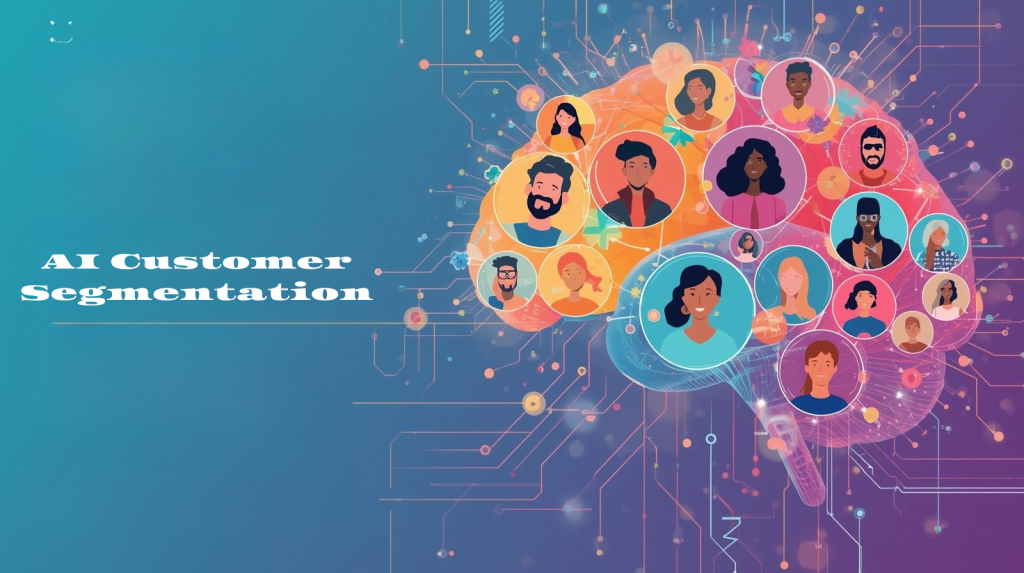
Customer segmentation isn’t new—marketers have grouped audiences by age, location, and income for decades. What’s changed is the precision. AI analyzes thousands of data points in seconds, identifying patterns humans would never spot and creating segments that adapt as customer behavior evolves. The difference between traditional segmentation and AI-powered approaches isn’t incremental—it’s transformational.
In this guide, I’m sharing practical strategies for implementing AI customer segmentation that actually moves metrics, based on real campaigns and measurable results.
Why Traditional Segmentation Falls Short
Traditional segmentation divides audiences into broad buckets: millennials in urban areas, B2B decision-makers, or customers who spent over $500 last quarter. These static groups don’t account for behavioral nuances, changing preferences, or individual purchase timing.
A 35-year-old software engineer in San Francisco might share demographic characteristics with thousands of others, but her browsing patterns, content preferences, and buying triggers are unique. Traditional methods miss these critical differences because they rely on predetermined rules rather than dynamic analysis.
AI segmentation solves this by continuously processing behavioral data, engagement patterns, and predictive signals to create segments that reflect how customers actually interact with your brand. These micro-segments automatically update as new data arrives, ensuring your targeting remains accurate without manual intervention.
This approach integrates seamlessly with broader AI-powered CRM and email automation strategies that unify customer intelligence across all touchpoints.
How AI Customer Segmentation Works
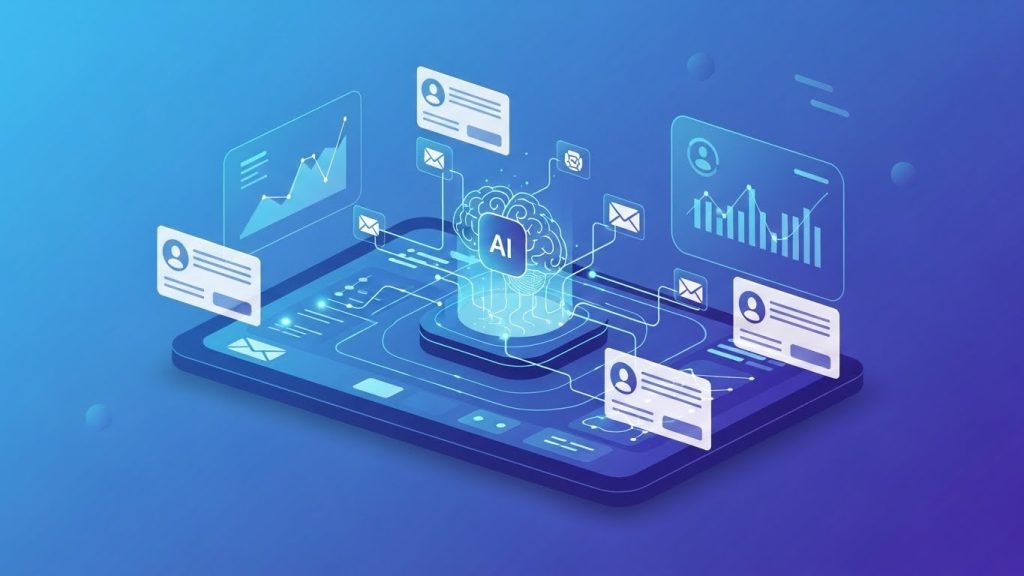
AI segmentation tools process multiple data sources simultaneously: website behavior, email engagement, purchase history, social media interactions, and CRM records. Machine learning algorithms identify patterns connecting these data points, revealing relationships that traditional analysis would miss.
Predictive analysis forecasts future behavior based on historical patterns, helping you anticipate which customers are likely to churn, upgrade, or make their next purchase. Auto-clustering groups similar customers automatically without requiring you to define segment criteria manually. Anomaly detection flags unusual patterns in real-time, identifying customers whose behavior signals imminent purchase or potential problems.
The system continuously learns from new data, refining segments as customer preferences evolve and market conditions change. This dynamic approach ensures your segmentation strategy remains effective without constant manual updates.
Types of AI-Powered Segmentation

Behavioral Segmentation
Behavioral segmentation analyzes what customers actually do: pages they visit, content they consume, features they use, and actions they take. AI identifies micro-patterns in this behavior that predict future actions with surprising accuracy.
One SaaS company discovered that users who visited their features page, then case studies, then pricing—specifically after engaging with Tuesday emails—converted 78% more often than other paths. This complex pattern would be nearly impossible to spot manually, but AI surfaced it automatically.
Psychographic Segmentation
Psychographic segmentation goes deeper than behavior to understand attitudes, values, and beliefs driving customer decisions. Tools like Lifemind.ai categorize audiences based on personal values using 189 proprietary profiles, enabling messaging that resonates at the belief level.
This approach works particularly well for brand strategy and campaign planning where emotional connection matters more than transactional efficiency. Understanding why customers buy—not just what they buy—enables more authentic, persuasive communication.
Value-Based Segmentation
Value-based segmentation identifies customers by their financial contribution and lifetime value potential. AI predicts which customers will generate the most revenue over time, allowing you to allocate resources strategically toward high-value relationships.
This segmentation type helps optimize email automation workflows by ensuring your most valuable customers receive appropriate attention and personalized experiences that justify their investment.
Predictive Segmentation
Predictive segmentation uses machine learning to forecast future behavior before it happens. The AI analyzes historical patterns to identify customers likely to churn, upgrade, or respond to specific offers, enabling proactive rather than reactive marketing.
Companies using predictive segmentation report 25-40% improvements in campaign ROI because they reach customers with the right message at precisely the right moment.
Implementing AI Segmentation: A Practical Framework
Step 1: Consolidate Your Data Sources
AI segmentation requires clean, comprehensive data from multiple touchpoints. Connect your CRM, marketing automation platform, website analytics, ecommerce system, and customer support tools to create a unified customer view.
Ensure data quality by removing duplicates, standardizing formats, and filling gaps where possible. The accuracy of your segments depends entirely on the quality of input data—garbage in, garbage out applies doubly to AI systems.
Step 2: Define Segmentation Goals
Start with clear objectives tied to business outcomes: reduce churn by 15%, increase average order value by 20%, or improve email engagement by 30%. These goals guide which segmentation types and features matter most for your specific situation.
Avoid the temptation to segment everything simultaneously. Focus on one or two high-impact use cases initially, then expand as you build confidence and prove ROI.
Step 3: Choose the Right AI Segmentation Tool
Multiple platforms offer AI segmentation with different strengths:
- Zoho Analytics excels at predictive analysis with its Ask Zia assistant, offering auto-clustering and anomaly detection
- Segment provides robust data infrastructure connecting 300+ tools while applying AI-powered insights
- Amplitude specializes in product analytics with behavioral cohort identification
- Adobe Experience Platform delivers enterprise-grade segmentation across massive datasets
Select tools that integrate easily with your existing technology stack and align with your primary segmentation goals. Most platforms offer trials—test them with real data before committing.
Step 4: Create and Test Your Segments
Let AI generate initial segments based on your data, then review them for business logic and actionable insights. Not every algorithmically-identified segment will be useful—some might be too small, too broad, or lack clear differentiation.
Run A/B tests comparing AI-generated segments against your traditional approach. Measure performance across key metrics: open rates, click rates, conversion rates, and revenue per segment. The data will quickly reveal which segments deliver real value.
Step 5: Personalize Campaigns by Segment
Use your AI segments to tailor messaging, offers, timing, and channels. Each segment should receive content addressing their specific needs, preferences, and stage in the customer journey.
One ecommerce brand created seven micro-segments based on browsing behavior and purchase patterns, then customized product recommendations for each group. The result? 42% increase in click-through rates and 28% boost in average order value.
Step 6: Monitor and Optimize Continuously
AI segmentation isn’t set-and-forget. Market conditions shift, customer preferences evolve, and competitive dynamics change. Schedule regular reviews to assess segment performance and adjust strategies accordingly.
Track segment migration patterns—which customers move between segments and why. These movements often reveal early signals about product-market fit, pricing sensitivity, or emerging customer needs.
Real-World Results from AI Segmentation
Companies implementing AI segmentation report measurable improvements across key metrics:
- 30-50% higher conversion rates from personalized campaigns targeting narrow behavioral segments
- 25% reduction in customer churn through predictive identification of at-risk customers
- 40% improvement in email engagement from timing and content optimization by segment
- 20-35% increase in customer lifetime value through value-based targeting strategies
These results come from treating customers as individuals with unique needs rather than faceless members of demographic groups.
Common Pitfalls to Avoid
Over-segmentation creates so many groups that personalization becomes operationally impossible. Start with 5-10 actionable segments, not 50. More segments don’t automatically mean better results—focus on meaningful differences that enable distinct strategies.
Ignoring segment size leads to micro-segments too small to justify dedicated campaigns. Ensure each segment contains enough customers to generate meaningful results and justify resource allocation.
Forgetting privacy compliance when collecting and analyzing customer data can create legal and reputational risks. Ensure your segmentation practices comply with GDPR, CCPA, and relevant regulations in your markets.
Lack of cross-functional alignment means sales, marketing, and customer success teams work from different segment definitions. Establish unified segment taxonomy and ensure all teams understand how to leverage insights effectively.
The Future of AI-Driven Personalization
AI customer segmentation represents a fundamental shift from demographic-based marketing to behavioral intelligence. As machine learning models become more sophisticated and data quality improves, segmentation will evolve toward true one-to-one personalization at scale.
The brands winning in 2025 and beyond will be those that leverage AI customer segmentation alongside CRM integration to deliver experiences that feel personally crafted for each individual, even when serving millions of customers simultaneously.
The technology already exists. The question isn’t whether AI segmentation works—it’s how quickly you’ll implement it before your competitors do.

A.G. Makoudi is a tech writer specializing in SaaS tools and digital solutions, helping readers simplify technology and make smarter software choices.