Leveraging robotic process automation (RPA) in SaaS hyperautomation strategies
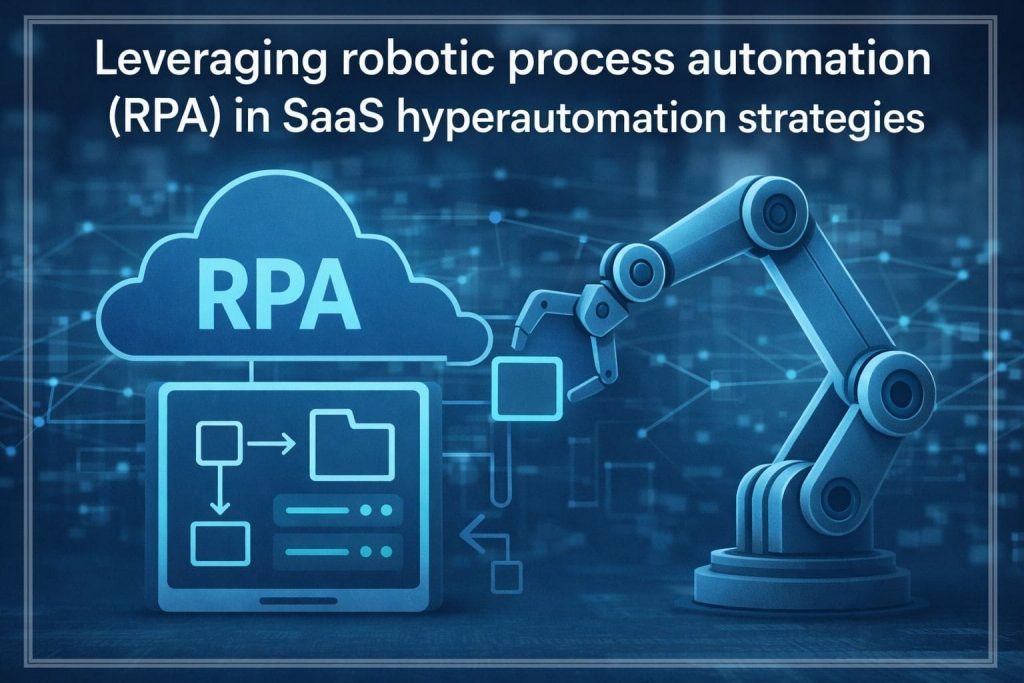
You want to know how RPA for SaaS Automation fits into hyperautomation. It’s simple: RPA is a cornerstone. It connects disparate systems and automates repetitive tasks. This is crucial for any SaaS business looking to scale fast. RPA for SaaS Automation helps you move beyond basic automation. It’s about creating intelligent, end-to-end workflows. This approach drives real efficiency and cost savings. We’re talking about a serious upgrade to your operations.
What is RPA for SaaS automation?
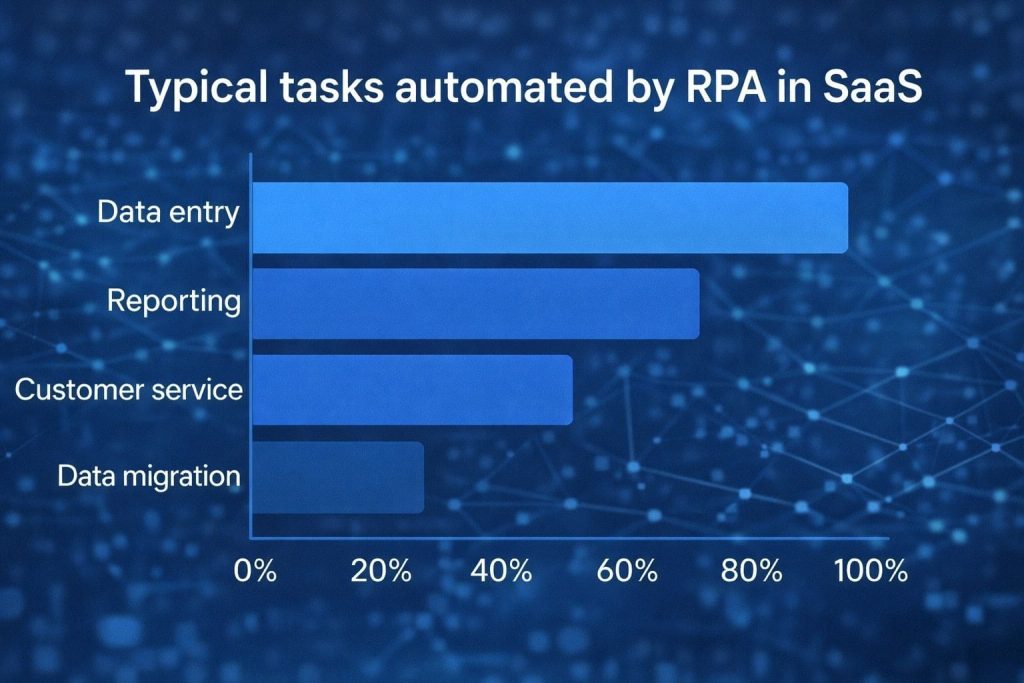
RPA for SaaS Automation means using software robots to mimic human actions. These bots interact with SaaS applications just like an employee would. They log in, click buttons, enter data, and extract information. This process works across different platforms. It doesn’t require complex API integrations. RPA for SaaS Automation streamlines many common business processes. Think about onboarding, data migration, or customer support tasks. It’s all about making your SaaS operations smoother.
How RPA works in a SaaS context
Traditional automation often needs deep technical work. RPA for SaaS Automation changes that. It sits on top of existing applications. The bots follow pre-defined rules. They don’t need new code for every integration. This makes deployment much faster. You can automate tasks without ripping apart your existing tech stack. This is a huge win for agility.
The role of RPA in hyperautomation for SaaS
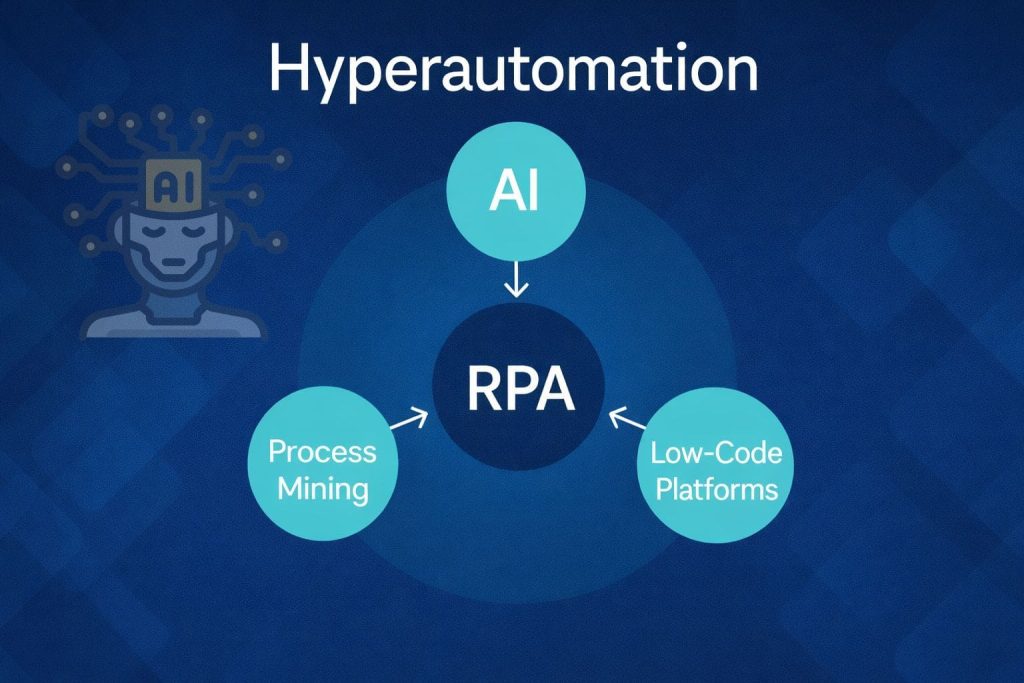
Hyperautomation is more than just RPA. It’s about combining multiple advanced technologies. RPA for SaaS Automation is the glue that holds it together. It integrates with AI, machine learning, and process mining. This creates a powerful automation ecosystem. You get intelligent process automation.
Integrating RPA with ai-driven automation
AI-driven automation takes RPA to the next level. RPA bots handle the repetitive steps. AI adds intelligence to these workflows. This means bots can make decisions or understand unstructured data. Think about document processing or sentiment analysis. AI helps RPA for SaaS Automation handle more complex scenarios. It makes your automation smarter, not just faster.
Leveraging low-code/no-code development with RPA
Low-code/No-code development platforms are a perfect match for RPA. They let citizen developers build solutions quickly. You don’t need deep coding skills. This democratizes automation. More people can create bots and workflows. RPA for SaaS Automation becomes accessible to many. It speeds up implementation across your organization. This empowers teams to automate their own work.
The power of process mining for RPA optimization
You can’t automate what you don’t understand. Process mining helps here. It analyzes your current workflows. It identifies bottlenecks and inefficiencies. This shows you exactly where RPA for SaaS Automation will have the biggest impact. You get data-driven insights. This ensures your automation efforts are targeted and effective. It prevents automating a broken process.
Implementing RPA for SaaS automation: actionable steps
Getting started with RPA for SaaS Automation doesn’t have to be hard. Follow these steps for a smooth rollout. You’ll see results quickly.
Step 1: identify high-impact processes
Start small but smart. Look for repetitive, rule-based tasks. These are perfect candidates for RPA for SaaS Automation. Think about processes with high volume and low complexity. Use process mining tools to pinpoint these areas. Prioritize tasks that free up valuable employee time. This delivers immediate ROI.
Step 2: choose the right RPA tools
Not all RPA tools are created equal. Look for platforms designed for SaaS environments. Consider ease of use and scalability. Many tools offer Low-code/No-code development features. This makes it easier for your team to adopt. Pick a solution that aligns with your enterprise automation strategy. It should support your long-term goals.
Step 3: design and build your RPA bots
This is where you configure your software robots. Map out the exact steps for each automated process. Take advantage of low-code/no-code capabilities. Test your bots thoroughly. Ensure they handle exceptions gracefully. Proper design is key for reliable RPA for SaaS Automation.
Step 4: deploy, monitor, and optimize
Roll out your bots in a controlled environment. Monitor their performance closely. Track key metrics like efficiency gains and error rates. Be ready to iterate and optimize. Automation is an ongoing journey. Continuous improvement is vital for RPA for SaaS Automation success.
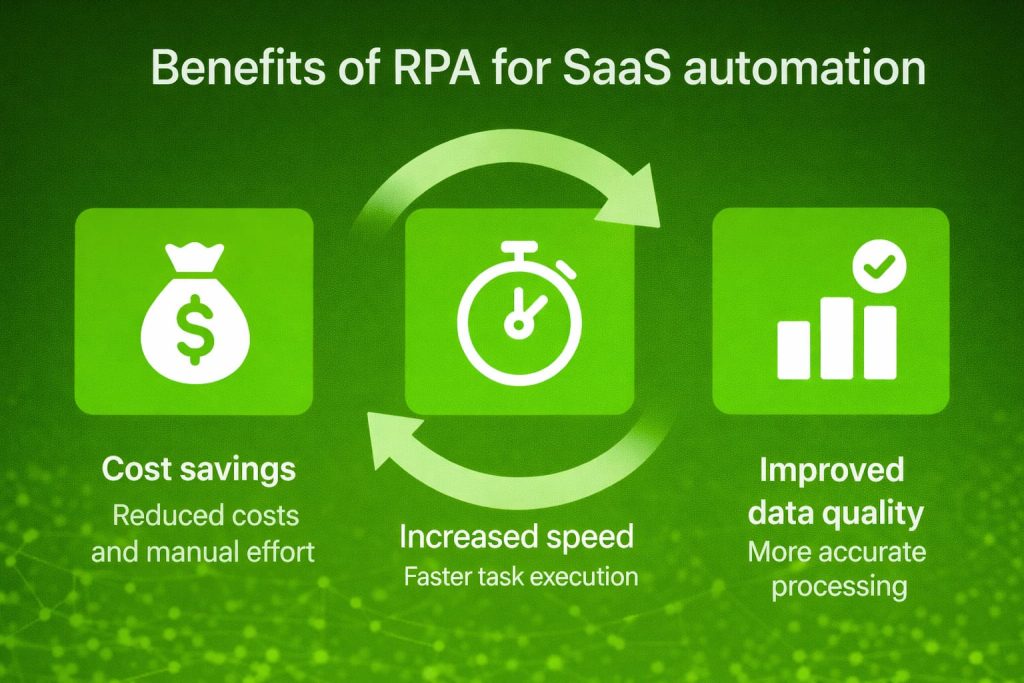
Benefits of RPA for SaaS automation
The advantages of RPA for SaaS Automation are clear. You’ll see tangible improvements across your business. These benefits drive significant growth.
Increased efficiency and cost reduction
RPA bots work 24/7 without getting tired. They process tasks much faster than humans. This dramatically boosts operational efficiency. It also leads to significant cost savings. You reduce manual effort and errors. RPA for SaaS Automation frees up your team. They can focus on more strategic work.
Enhanced accuracy and compliance
Bots follow rules precisely. This eliminates human error. Data entry becomes flawless. Compliance requirements are met consistently. RPA for SaaS Automation provides a clear audit trail. This strengthens your regulatory adherence. It reduces risks associated with manual mistakes.
Accelerated digital transformation for businesses
RPA is a catalyst for change. It helps businesses quickly adopt new digital processes. You can integrate legacy systems with modern SaaS apps. This accelerates your overall digital transformation for businesses. RPA for SaaS Automation makes your organization more agile. It helps you stay competitive in a fast-changing market. This is a critical step for growth.
Challenges and considerations for RPA in SaaS
It’s not all sunshine and rainbows. You need to be aware of potential hurdles. Addressing these early ensures success.
Integration complexities
While RPA avoids deep API work, some integration challenges remain. Bots need stable interfaces. Changes in SaaS application UIs can break workflows. You need robust change management processes. Ensure your RPA for SaaS Automation strategy accounts for this.
Scalability and maintenance
Scaling RPA requires careful planning. You need infrastructure to support many bots. Ongoing maintenance is also crucial. Bots need updates as applications evolve. A dedicated team can manage these tasks effectively. Don’t underestimate the maintenance aspect of RPA for SaaS Automation.
Employee adoption and training
Change can be tough for employees. Communicate the benefits of RPA clearly. Train your team on how to work alongside bots. Emphasize that RPA augments, not replaces, human work. Successful RPA for SaaS Automation needs strong buy-in from your people.
The future of RPA for SaaS automation
RPA is constantly evolving. The future will bring even smarter, more adaptable bots. Expect deeper integration with AI-driven automation. More advanced Low-code/No-code development will emerge. This will make RPA even easier to implement. Your enterprise automation strategy will become more sophisticated.
We’re moving towards fully autonomous operations. RPA for SaaS Automation will play a central role. It will continue to drive digital transformation for businesses. Stay informed and be ready to adapt. This journey is just getting started. For a deeper dive into hyperautomation, check out our Ultimate Guide to Hyperautomation for SaaS: Integrating AI, RPA, and No-Code Workflows). You’ll find everything you need there.

PhD researcher & computer science lecturer (AI & automation)
AI tools + smart workflows to help freelancers & SaaS companies scale
Digital marketing & media buying specialist (data-driven growth)