What is hyperautomation? a deep dive for SaaS businesses
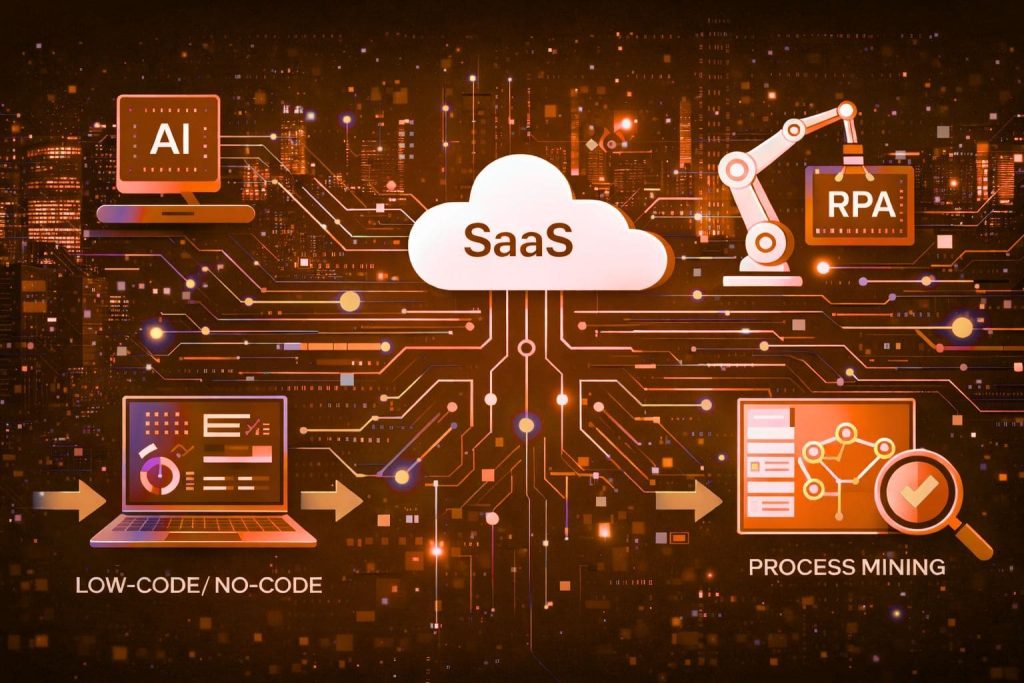
So, what is Hyperautomation SaaS all about? It’s a big deal for any business looking to step up its game. Hyperautomation isn’t just one tool. It’s a strategic approach. It combines many advanced technologies. Think of AI, machine learning, and robotic process automation (RPA). It also uses process mining and low-code/no-code platforms. The goal is to automate as many business and IT processes as possible. This isn’t just about simple tasks anymore. It’s about end-to-end automation across your entire organization. Understanding what is Hyperautomation SaaS can truly change how you operate.
What is hyperautomation SaaS? it’s more than just automation
Hyperautomation takes traditional automation to the next level. It’s not just automating repetitive tasks. It involves intelligently discovering, analyzing, and automating business processes. This comprehensive approach uses a mix of cutting-edge tech. It helps identify opportunities for automation. Then, it deploys solutions across the enterprise. For SaaS companies, understanding what is Hyperautomation SaaS means gaining a serious competitive edge.
The core components of what is hyperautomation SaaS
Hyperautomation brings several distinct technologies together. Each plays a crucial role. This fusion creates powerful, intelligent automation.
AI-driven automation for smarter saas operations
AI and machine learning are central to what is Hyperautomation SaaS. They provide the intelligence. AI-driven automation helps systems learn from data. It makes decisions and adapts over time. This means your automated processes get smarter. They become more efficient without constant human input. AI helps predict issues. It optimizes workflows. It even personalizes customer experiences. That’s a huge win for any SaaS business.
Robotic process automation (rpa) in saas
RPA automates repetitive, rule-based tasks. It mimics human interactions with digital systems. RPA bots can open applications. They can copy data. They can even send emails. This frees up your team. They can focus on more strategic work. When you combine RPA with AI, you get truly intelligent automation. This is a key part of what is Hyperautomation SaaS.
Process mining for uncovering automation opportunities
You can’t automate what you don’t understand. Process mining is vital here. It analyzes event logs from your systems. This uncovers how processes actually run. It identifies bottlenecks and inefficiencies. Process mining shows you exactly where to apply automation. This ensures you’re automating the right things. It prevents wasted effort. This is essential for any successful enterprise automation strategy.
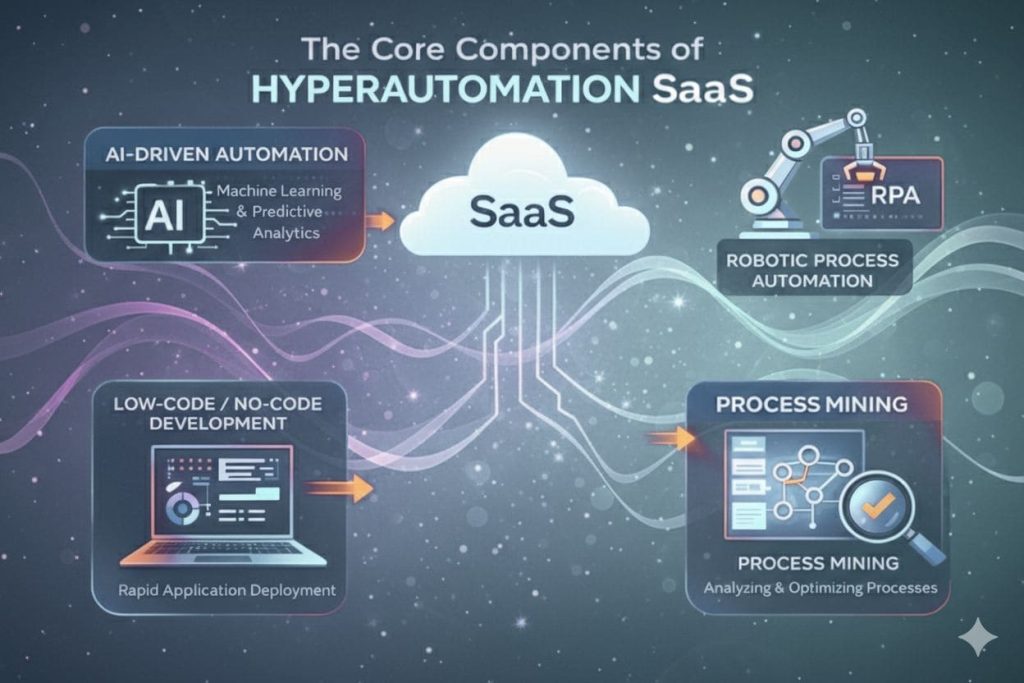
Chart Graphique showing the stages of process mining: data extraction, model discovery, conformance checking, and enhancement.
Low-code/no-code development for rapid deployment
Low-code/No-code development platforms speed up automation. They let business users build applications. They don’t need extensive coding knowledge. This empowers citizen developers. They can create custom automation solutions quickly. It democratizes development. It accelerates the deployment of automation initiatives. This is a game-changer for digital transformation for businesses. It makes what is Hyperautomation SaaS accessible to more teams.
Why what is hyperautomation SaaS matters for your business
SaaS companies face unique challenges. They need to scale fast. They must innovate constantly. They must also deliver exceptional customer experiences. What is Hyperautomation SaaS helps address these needs directly.
Boosting operational efficiency and reducing costs
Hyperautomation streamlines operations. It eliminates manual errors. It reduces processing times. This leads to significant cost savings. Your teams become more productive. They can focus on high-value tasks. This efficiency directly impacts your bottom line. It makes your SaaS business more agile.
Accelerating digital transformation for businesses
Every company wants to be more digital. Hyperautomation is a fast track to that goal. It helps integrate disparate systems. It digitizes paper-based processes. It creates a truly connected enterprise. This accelerates your overall digital transformation for businesses. It positions you for future growth.
Enhancing customer and employee experiences
Automating mundane tasks improves employee satisfaction. Your staff can do more meaningful work. For customers, hyperautomation means faster service. It means more personalized interactions. This leads to higher customer loyalty. A happy team and happy customers are key. What is Hyperautomation SaaS delivers both.
Implementing what is hyperautomation saas: actionable steps
Ready to dive into hyperautomation? Here’s how to get started. It’s a journey, not a sprint.
1. Define your enterprise automation strategy
First, you need a clear vision. What do you want to achieve? Identify your business goals. Prioritize areas for automation. This strategic roadmap guides your efforts. It ensures alignment across the organization. A solid enterprise automation strategy is non-negotiable.
2. Leverage process mining to identify opportunities
Don’tLguess where to automate. Use process mining tools. They will reveal your true workflows. They highlight inefficiencies. They show you the biggest pain points. This data-driven approach ensures smart investments. It’s a critical first step for what is Hyperautomation SaaS.
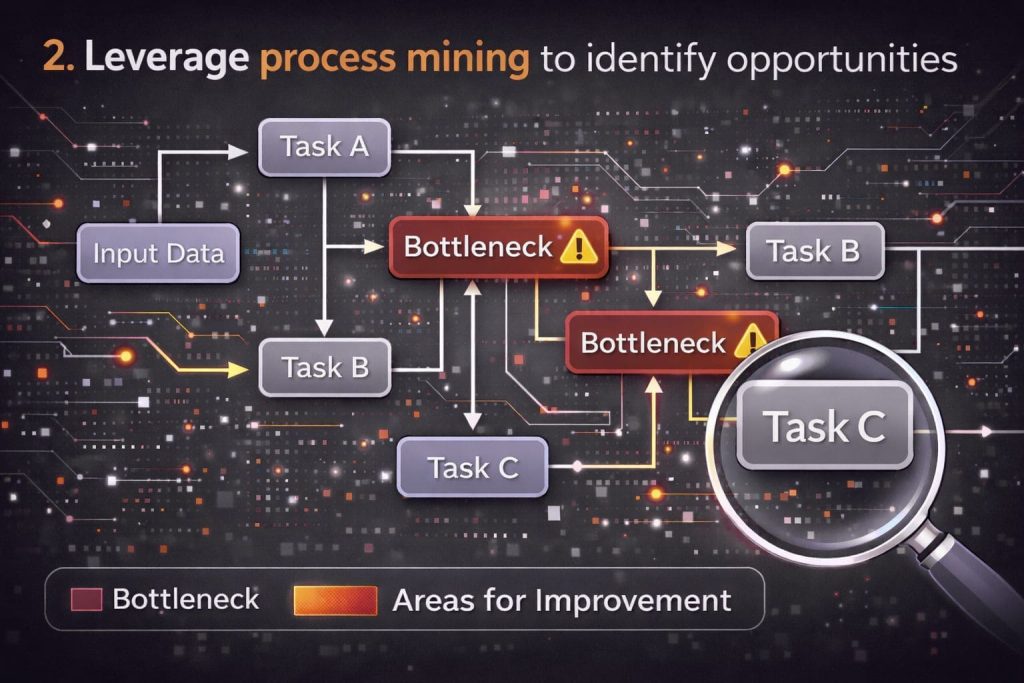
A workflow diagram showing process bottlenecks and areas for improvement, a result of process mining analysis.
3. Build an automation center of excellence (coe)
A COE provides governance and best practices. It fosters a culture of automation. This team champions hyperautomation initiatives. They manage tools and training. They ensure consistent deployment. This helps scale what is Hyperautomation SaaS successfully.
4. Start small, then scale your ai-driven automation
Don’t try to automate everything at once. Pick a high-impact, low-risk process. Prove the value. Learn from your first projects. Then, gradually expand your AI-driven automation efforts. This iterative approach minimizes risk. It builds momentum.
5. Empower citizen developers with low-code/no-code development
Provide your business users with the right tools. Low-code/no-code development platforms are perfect for this. They enable rapid prototyping. They speed up solution delivery. This empowers your teams. They can drive innovation from within. This is a core tenet of what is Hyperautomation SaaS.
Challenges in adopting what is hyperautomation saas
It’s not all smooth sailing. There are hurdles to overcome.
Data integration complexities
Integrating various systems can be tough. Data silos are common. Ensuring seamless data flow is crucial. This requires careful planning and robust tools. It’s a significant consideration for what is Hyperautomation SaaS.
Change management and employee buy-in
People naturally resist change. Proper communication is vital. Show employees how automation benefits them. Provide training and support. Get their buy-in early on. This makes adoption much smoother.
Choosing the right technology stack
The market is full of tools. Selecting the right combination is hard. You need tools that integrate well. They must meet your specific needs. Research and pilot programs are essential. This ensures your investment in what is Hyperautomation SaaS pays off.
The future of what is hyperautomation saas
Hyperautomation is here to stay. It will continue to evolve. We’ll see more sophisticated AI. We’ll see even easier low-code/no-code platforms. The lines between human and machine work will blur further. SaaS companies must embrace this shift. It’s not an option, but a necessity.
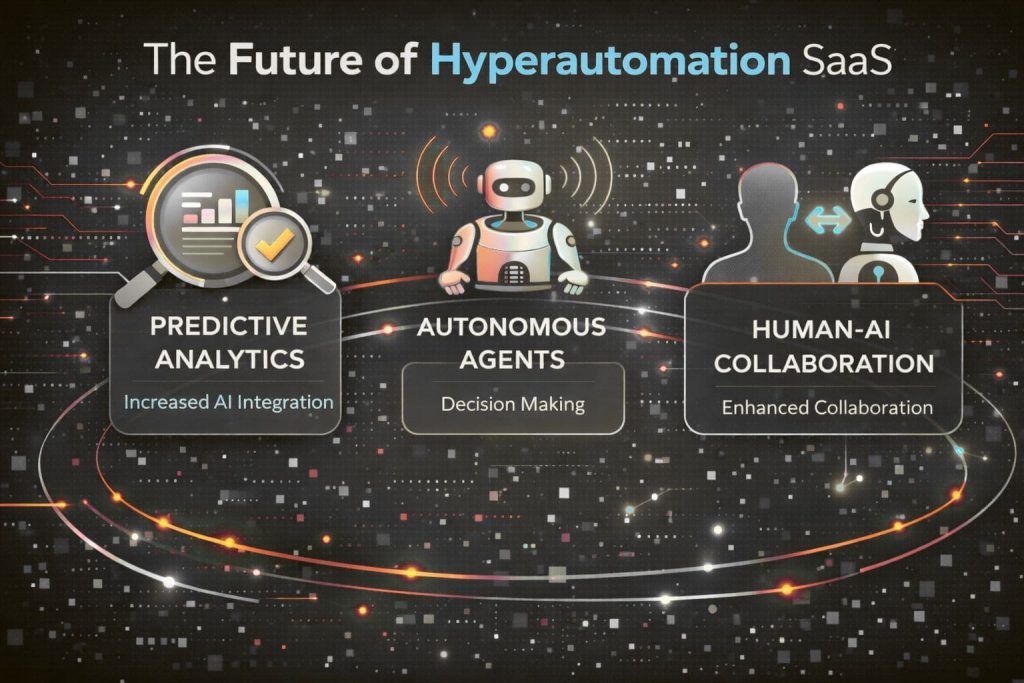
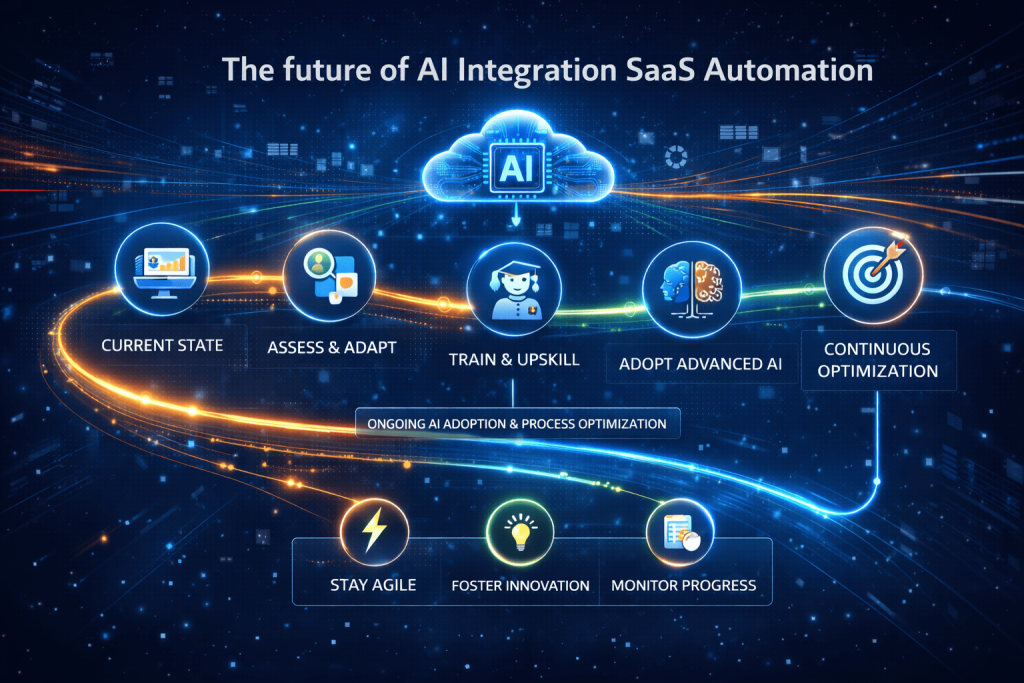
An infographic illustrating future trends in hyperautomation, such as increased AI integration and autonomous decision-making.
For a deeper dive into making hyperautomation work for your SaaS business, check out our Ultimate Guide to Hyperautomation for SaaS: Integrating AI, RPA, and No-Code Workflows). It covers everything you need to know. What is Hyperautomation SaaS will define the next generation of successful businesses. Don’t get left behind.

PhD researcher & computer science lecturer (AI & automation)
AI tools + smart workflows to help freelancers & SaaS companies scale
Digital marketing & media buying specialist (data-driven growth)